

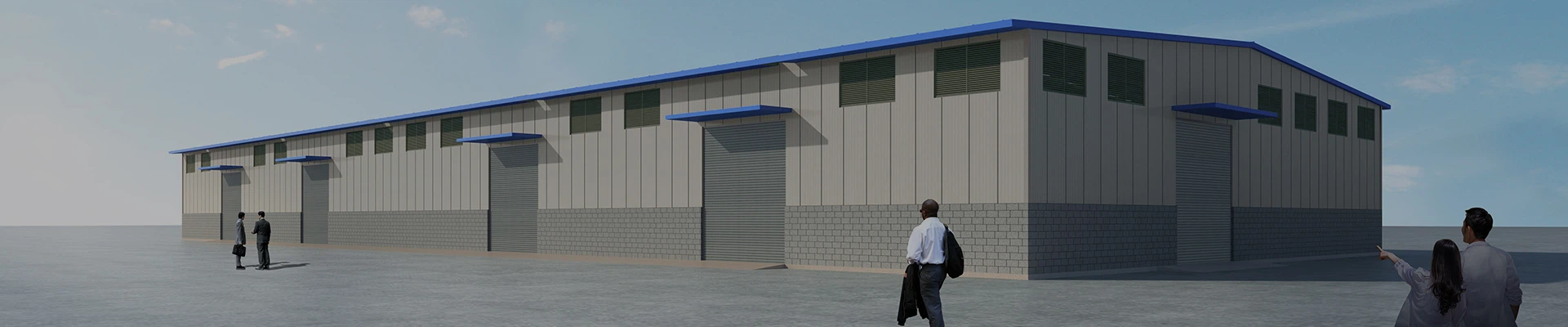


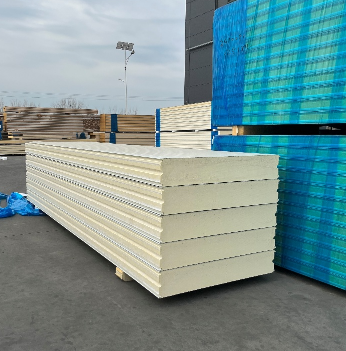
In modern construction and industrial engineering, building envelope systems are no longer limited to enclosure functions; they directly impact energy efficiency, structural safety, and long-term operational costs. As green building standards continue to evolve and project timelines tighten, advanced composite materials are becoming the preferred solution worldwide. Among them, aluminum foam core panels stand out for their lightweight structure and multifunctional performance, while sandwich panel construction offers a highly efficient and standardized building method. In addition, the versatility of a metal sandwich panel makes it suitable for a wide range of industrial and commercial applications.
High-performance composite panels are typically designed with a layered structure consisting of outer skins and a core material, enabling an optimized balance between strength, weight, and insulation. Compared to traditional single-material systems, this configuration delivers enhanced performance across multiple dimensions.
Specifically, aluminum foam core panels provide excellent strength-to-weight ratios and energy absorption capabilities, making them ideal for applications requiring impact resistance. At the same time, sandwich panel construction ensures efficient integration of insulation and structural performance. A well-engineered metal sandwich panel further enhances durability and resistance to environmental factors.
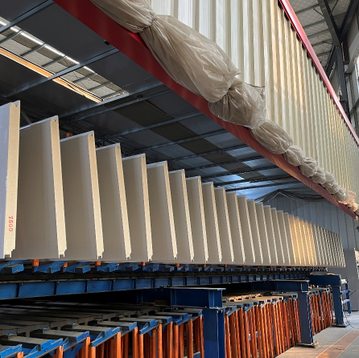
From a construction perspective, efficiency and consistency are critical. Prefabricated composite panels enable rapid on-site installation, significantly reducing construction time and labor requirements.
With sandwich panel construction, components are manufactured with precise dimensions, allowing seamless assembly and minimizing installation errors. In projects where weight reduction is essential, aluminum foam core panels help simplify handling and installation processes. Meanwhile, each metal sandwich panel is designed for easy connection, improving overall project efficiency.
As industrialization and modular construction continue to advance, composite panels are widely used across various sectors, including industrial plants, cold storage facilities, cleanrooms, and modular buildings.
In high-end industrial environments, aluminum foam core panels are valued for their vibration damping and acoustic performance. For large-scale facilities, sandwich panel construction allows for rapid enclosure of extensive structures. Additionally, the adaptability of a metal sandwich panel makes it suitable for both wall and roofing applications across different climates.
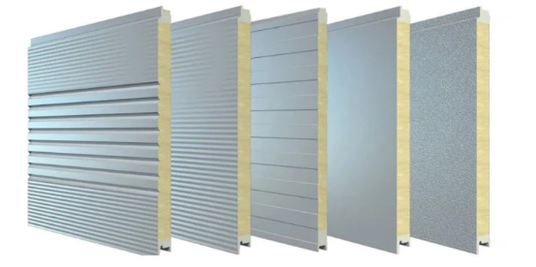
Under the global trend toward sustainability and energy efficiency, building materials must deliver long-term performance and environmental benefits. Composite panels contribute to these goals by reducing material usage, improving thermal efficiency, and extending service life.
By combining aluminum foam core panels for advanced performance, sandwich panel construction for efficient building processes, and metal sandwich panel systems for durability and versatility, project developers can achieve a balanced solution that meets both economic and environmental objectives.
As technology evolves and market demands shift, advanced composite panels are redefining the standards of building envelope systems. From materials to construction methods, their integrated advantages ensure long-term competitiveness in global projects.
The combined application of aluminum foam core panels, sandwich panel construction, and metal sandwich panel solutions provides a future-ready approach for modern construction and industrial development.
Hot Tags: aluminum foam core panels, China aluminum foam core panels manufacturers, suppliers, factory, 200mm cold storage sandwich panel


