

The performance advantages of glass wool sandwich panels come from their core material, centrifugal glass wool. This kind of filamentous material made of molten glass as raw material, fiberized by centrifugal spraying and sprayed with thermosetting resin, and formed after heat curing and deep processing, becomes the "functional core" of the sandwich panel. Its innate characteristics such as non-combustible (Class A fire resistance), non-toxicity, small bulk density (usually
24-48kg/m³), low thermal conductivity (≤0.042W/(m・K)), strong chemical stability, low moisture absorption rate (≤5%), and good hydrophobic (water repellency ≥98%) have laid an excellent basic performance tone for the sandwich panel, making it different from traditional insulation sandwich materials from the source.
The glass wool sandwich panel adopts a modular composite structure to achieve complementary functions:
The use of customized thickness of centrifugal glass wool board (commonly 50-200mm) directly undertakes the core functions of thermal insulation, heat insulation and sound absorption, and the large number of closed pores formed by its fluffy fiber structure are the key to blocking heat transfer and absorbing sound waves.
The protective panel/back panel is mostly made of 0.4-0.8mm thick color-coated steel plate, galvanized steel plate or aluminum foil composite plate, which not only gives the surface decoration and weather resistance of the plate, but also improves the overall mechanical strength through rigid support.
The bonding system adopts polyurethane or epoxy resin glue with strong compatibility with glass wool and metal panels, and is cured under pressure to achieve a tight fit between the three, avoiding the problem of delamination in long-term use and ensuring structural stability.
Relying on the processing characteristics of centrifugal glass wool, sandwich panels are produced efficiently using a continuous composite process:
First, the substrate is pretreated, the glass wool board is cut and shaped, and the surface of the panel/backing panel is cleaned and glued; Then composite molding, superimposed in the order of "panel - bonding layer - glass wool core - bonding layer - backing plate", and the tight bonding between layers is achieved through continuous pressurization equipment; secondly, cure and set the shape, enter the constant temperature curing furnace (temperature 80-120°C), so that the binder is fully cured, and the adhesion between the core material and the panel is enhanced; Finally, it is precisely cut, and according to the needs of the project, it is cut into standard plates with a length of 2-12m and a width of 1000-1200mm, and the edges and corners are treated with edge banding to improve waterproofness and aesthetics.
Glass wool sandwich panels are not simply spliced, but achieve performance upgrades through structural synergy, forming the multi-dimensional characteristics of "basic function + composite advantage":
First of all, the insulation and insulation are upgraded. The low thermal conductivity of centrifugal glass wool combined with the airtight protection of the panel makes the overall thermal insulation performance of the sandwich panel better than that of a single insulation material, and can still play a stable role in the environment of -40°C to 120°C, and can reduce the cooling loss by more than 30% in cold storage applications.
Secondly, sound absorption and noise reduction increase efficiency. The fiber porous structure has a significant absorption effect on medium and high frequency sound waves, and with the sound wave reflection buffer of the panel, it can achieve noise attenuation of 15-35dB, far exceeding that of a single glass wool material of the same thickness.
Finally, fire safety and security. Inheriting the non-combustible characteristics of centrifugal glass wool, it does not release toxic gases in case of fire, and the panels are only slightly deformed at high temperatures, without the risk of open flame spreading, meeting the mandatory fire prevention standards for densely populated places and industrial buildings.
First, light weight and high strength. The weight of a single square meter is only 10-18kg, less than 1/10 of the traditional brick wall, but it can withstand a uniform load of ≥1.5kPa, and the wind pressure resistance is ±3kPa, which can be directly used as an exterior wall and roof enclosure structure;
Second, weather resistance and durability. The panel coating is resistant to UV aging, the core material is hydrophobic and chemically stable, and the service life can reach more than 20 years in harsh environments such as moisture, salt spray, acid and alkali, and does not require frequent maintenance on a daily basis.
Third, the convenience of construction. The board can be quickly installed through plugging and bolting, without on-site cutting and processing, which shortens the construction period by more than 50% compared with the traditional "insulation layer + plastering + decorative layer" construction, especially suitable for emergency engineering and temporary construction.
Based on its performance advantages, glass wool sandwich panels have deeply penetrated into multiple industry scenarios and become the preferred building material of "energy saving + safety + efficiency":
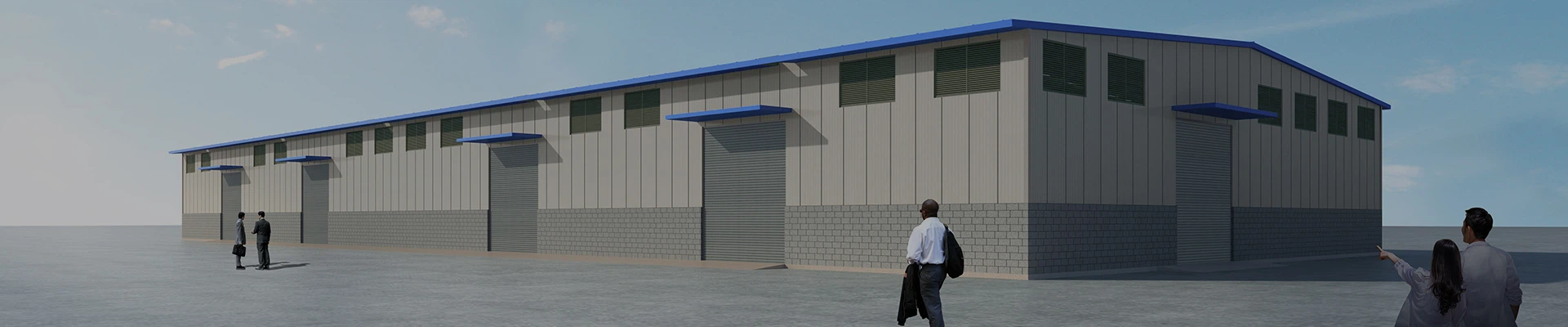
First, industrial infrastructure. The exterior walls and roofs of factories and warehouses use thermal insulation to reduce production energy consumption, fire resistance to ensure the safety of machinery and materials, and lightweight characteristics to adapt to long-span building structures.
Second, public buildings. The partition walls and ceilings of schools, hospitals, and shopping malls improve space comfort through sound absorption and noise reduction, and the A-level fire resistance and non-toxic characteristics meet the safety needs of densely populated places.
Third, cold chain logistics. The thermal insulation enclosure of cold storage and refrigerated containers, low thermal conductivity and high hydrophobicity can reduce the loss of cold capacity and reduce the energy consumption of refrigeration equipment by 20%-25%;
Fifth, special fields. The anti-corrosion walls of chemical workshops (adapted to acid and alkali resistant panels), the sound barriers of computer rooms and studios, and the fireproof linings of subways and tunnels can accurately match the special requirements of materials in the scene.
Sixth, mobile buildings. The main board of prefabricated houses and field work houses is lightweight and easy to transport and hoist, and can adapt to the climate differences of different regions.
How to choose?
Thermal insulation requirements: 150-200mm thick core material for low-temperature scenarios (such as cold storage), 50-100mm for conventional buildings;
Environmental adaptation: water-repellent glass wool core material + fluorocarbon coated panel is preferred in humid areas;
Fire rating: Densely populated places must confirm that the overall board fire rating is A.
With the upgrading of building energy conservation and environmental protection requirements, glass wool sandwich panels are developing in the direction of "greener and more efficient": on the one hand, the application of formaldehyde-free binders will further improve their environmental protection and adapt to high-end residential and medical buildings; On the other hand, the compound innovation with photovoltaic panels and fireproof rock wool is expected to expand its application boundaries in green buildings and special projects.
With the excellent performance of centrifugal glass wool as the core, the glass wool sandwich panel realizes the integration of "thermal insulation, fire prevention, sound absorption and mechanical properties" through scientific composite technology, which not only solves the pain points of traditional building materials with single function and complex construction, but also meets the dual needs of modern buildings for energy conservation and safety. From industrial plants to public spaces, from fixed buildings to mobile facilities, its wide adaptability and reliable performance make it a veritable "multi-functional integrator" in the field of building materials.


