



Unlocking the Potential of PU Roof Panels: A Comprehensive Guide
In the realm of construction and architecture, innovation constantly drives progress. One such innovation that has gained significant traction in recent years is the PU roof panel. PU, or polyurethane, roof panels offer a plethora of benefits ranging from energy efficiency to durability. In this comprehensive guide, we'll delve deep into the world of PU roof panels, exploring their composition, advantages, applications, installation process, and maintenance requirements.
Understanding PU Roof Panels
PU roof panels are a type of insulated roofing material composed of a rigid polyurethane foam core sandwiched between two metal sheets. This unique construction delivers exceptional thermal insulation properties, making PU roof panels an ideal choice for both residential and commercial buildings. The foam core's high thermal resistance helps regulate indoor temperatures, reducing the reliance on heating and cooling systems and ultimately lowering energy costs.

Advantages of PU Roof Panels
- Superior Insulation: The primary advantage of PU roof panels lies in their outstanding insulation capabilities. By minimizing heat transfer, these panels create a comfortable indoor environment year-round.
- Energy Efficiency: Reduced energy consumption leads to lower utility bills and contributes to environmental sustainability by decreasing greenhouse gas emissions.
- Structural Strength: PU roof panels offer excellent structural integrity, capable of withstanding harsh weather conditions including heavy snow loads and high winds.
- Quick Installation: Compared to traditional roofing materials, PU roof panels can be installed quickly, saving both time and labor costs.
- Versatility: These panels are available in various thicknesses and designs, allowing for customization to suit specific project requirements.
- Longevity: With proper maintenance, PU roof panels can last for decades, providing a durable roofing solution that stands the test of time.
Applications of PU Roof Panels
PU roof panels find extensive use in a wide range of applications, including:
- Residential Roofing: From single-family homes to multi-unit residential complexes, PU roof panels offer homeowners energy-efficient and durable roofing solutions.
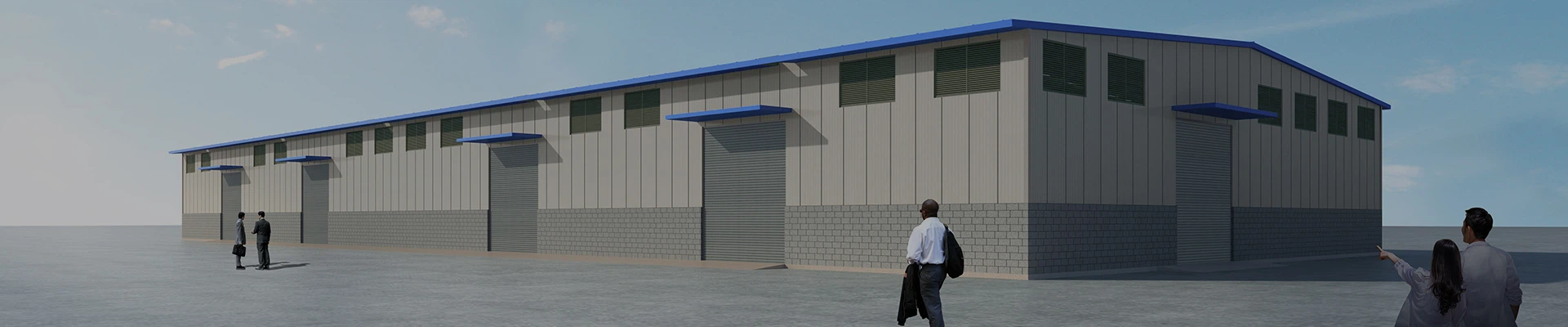
- Commercial Buildings: Offices, warehouses, and industrial facilities benefit from the thermal insulation and structural strength provided by PU roof panels.
- Cold Storage Facilities: The exceptional insulation properties of PU panels make them ideal for cold storage applications, preserving perishable goods at optimal temperatures.
- Agricultural Buildings: Farms and agricultural facilities utilize PU roof panels to create controlled environments for livestock and crop storage.
- Recreational Structures: Sports complexes, recreational centers, and indoor arenas rely on PU roof panels to maintain comfortable indoor temperatures for athletes and spectators alike.

Installation Process
Installing PU roof panels requires precision and expertise to ensure optimal performance. The process typically involves the following steps:
- Preparation: Prepare the roof surface by ensuring it is clean, dry, and free from any debris or obstructions.
- Panel Placement: Position the panels carefully, starting from one end of the roof and working towards the other.
- Fastening: Secure the panels in place using appropriate fasteners, ensuring they are tightly affixed to the roof structure.
- Sealing Joints: Seal any gaps or joints between panels to prevent air leakage and maximize insulation effectiveness.
- Trimming and Finishing: Trim excess material as needed and add finishing touches to ensure a clean and professional appearance.
Maintenance Requirements
While PU roof panels are renowned for their durability, proper maintenance is essential to prolong their lifespan and ensure optimal performance. Key maintenance tasks include:
- Regular Inspections: Inspect the roof periodically for signs of damage, such as cracks, leaks, or corrosion.
- Cleaning: Keep the roof surface clean and free from debris, which can accumulate and compromise performance over time.
- Sealant Replacement: Monitor and replace sealants as needed to maintain a watertight seal and prevent moisture infiltration.
- Gutter Maintenance: Ensure gutters and drainage systems are clear of debris to prevent water buildup and potential water damage.
PU roof panels represent a revolution in roofing technology, offering unmatched insulation, energy efficiency, and durability. Whether for residential, commercial, or industrial applications, these panels provide a versatile and cost-effective solution for modern construction needs. By understanding the composition, advantages, applications, installation process, and maintenance requirements of PU roof panels, builders and homeowners alike can unlock their full potential and enjoy the benefits of superior roofing performance for years to come.
Hot Tags: pu roof panel, China pu roof panel manufacturers, suppliers, factory, Sandwich Roof Panel with Exposed Nail, Rock Wool Roof Sandwich Panels


