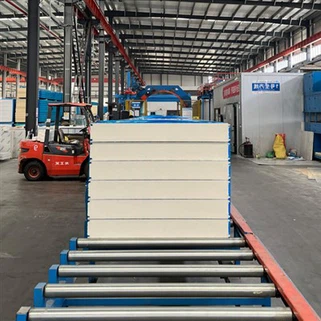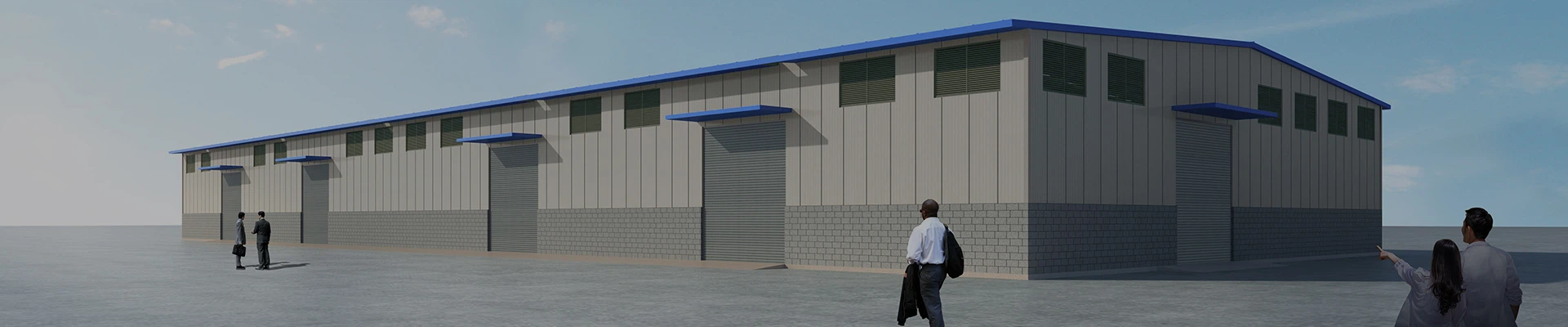


In the dynamic field of modern construction, PU panel wall has gradually become the core material for building wall systems, and its application scope is constantly expanding with the continuous innovation of construction technology. As a high-performance composite material, PU panel wall is essentially composed of high-quality surface layers and a dense polyurethane foam core, which endows it with unique advantages that traditional wall materials cannot match. Whether it is a large-scale industrial factory building, a commercial office complex, or a residential community, PU panel wall can fully meet the diverse needs of wall construction, making it an indispensable choice in the construction industry.

The first core advantage of PU panel wall lies in its excellent thermal insulation performance. The polyurethane foam core of PU panel wall has extremely low thermal conductivity, which can effectively block the transfer of heat between the indoor and outdoor of the building. In winter, it can prevent the indoor heat from escaping rapidly, reducing the energy consumption of heating equipment; in summer, it can isolate the external high temperature, ensuring the coolness of the indoor space and reducing the operation time of air conditioners. For long-term project operation, this thermal insulation effect of PU panel wall can significantly reduce the energy consumption cost of the building, bringing considerable economic benefits to the project owners.

In addition to thermal insulation, the structural stability of PU panel wall is also a key factor for its popularity. The surface layer of PU panel wall is usually made of galvanized steel, aluminum alloy or other high-strength materials, which are closely bonded with the PU foam core through advanced processing technology. This integrated structure makes PU panel wall have strong load-bearing capacity, can withstand external forces such as wind load and seismic load, and effectively ensures the safety and stability of the building structure. Compared with traditional brick walls and concrete walls, PU panel wall is lighter in weight, which can reduce the load of the building foundation while ensuring the structural strength, and is more conducive to the design and construction of high-rise buildings and large-span structures.

The construction efficiency of PU panel wall is another major highlight of its application in construction engineering. The installation of PU panel wall is simple and convenient, and it can be completed quickly with standard construction tools. There is no need for complex on-site masonry and curing processes, which greatly shortens the construction period of the project. At the same time, the standardized production of PU panel wall in the factory ensures the consistency of product quality, avoiding the quality problems caused by manual operation in traditional construction. For construction projects with tight construction periods, PU panel wall can effectively improve construction efficiency and help projects be completed ahead of schedule.

In terms of environmental protection and durability, PU panel wall also has outstanding performance. The raw materials of PU panel wall are environmentally friendly and non-toxic, and will not release harmful gases such as formaldehyde during use, which is in line with the current development concept of green construction. Moreover, the PU foam core and surface layer of PU panel wall have strong corrosion resistance and aging resistance, which can maintain good performance in harsh environments such as humidity, high temperature and acid rain, and extend the service life of the building wall. With the continuous improvement of people's requirements for building quality and environmental protection, PU panel wall will surely play a more important role in the future construction industry.
Hot Tags: the superiority of pu panel wall, China the superiority of pu panel wall manufacturers, suppliers, factory, exterior panel wall, Glass Wool Sandwich Wall Panels