

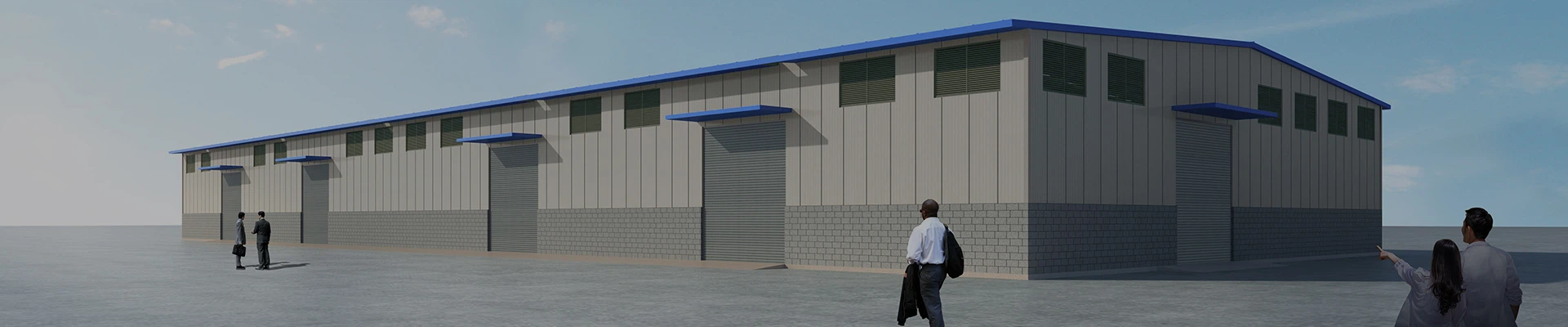
On-site Management of Steel Structure Installation
1. Comprehensive safety protection measures shall be implemented at the installation site to ensure the safety of workers, maintain good ventilation, and effectively isolate external interference.
2. On-site management personnel for steel structure installation must promptly identify potential hazards at the construction site and organize the elimination of safety risks.
3. During the installation process, it is imperative to promptly identify and rectify potential safety hazards, while conducting regular safety inspections at scheduled intervals.
4. Strengthen the custody, maintenance, and operational management of safety equipment at installation sites to ensure the proper functioning of the equipment and guarantee on-site safety.

Safety Protocols for Steel Structure Installation Operations
1. It is strictly prohibited to overturn, suspend, throw, or damage steel structure assembly components.
2. Prior to the utilization of critical structural components such as platforms, supports, and floor slabs, it is imperative to conduct load testing in accordance with the "Code for Load Design of Building Structures" to validate both the design and construction quality, thereby ensuring that key performance indicators, including strength, meet the specified design requirements.
3. Workers must implement comprehensive safety measures when accessing elevated areas. When utilizing scaffolding, it is imperative to ensure the structural integrity of all four corners and diagonal supports. Neglecting safety protocols is strictly prohibited.
4. Prior to installation, it is imperative to inspect the integrity of bolts, nuts, washers, and gaskets, ensuring that any impact, scratches, or other surface conditions on the components meet specified requirements. Additionally, all assembly parts must be examined for cracks or any abnormal conditions, and appropriate protective measures must be implemented accordingly.
5. During the installation process, it is necessary to fix the steel structure components to ensure the safety of the installation structure and prevent it from being affected by external forces. The torque requirements during installation must be carried out in accordance with the requirements of the drawings to ensure the stability of the installation structure.
Welding Safety
1. Prior to welding, it is imperative to inspect the integrity of the welding equipment, verify whether the current and voltage of the welding machine, as well as the quality of the welding electrodes, meet the requirements, and check if the welding supplies are complete. Safety must be ensured, and the safety operation regulations must be strictly adhered to.
2. Adequate washing should be carried out to remove impurities from the molten pool, ensure welding quality, reduce welding defects, and mitigate erosion.
3. Conduct comprehensive welding quality inspections to ensure the integrity of weldments, including mechanical properties, deformation characteristics, heat treatment performance, and sealing capabilities.
4. During the welding process, it is imperative to adhere to specific temperature setting standards, such as the temperature profile for reflow soldering and the ideal temperature range for PFA electrode welding, to ensure the welding quality and the mechanical properties of the structure.
5. When performing welding operations, it is necessary to strengthen the protective measures for workers. Workers should wear protective equipment and protective clothing to ensure the physical safety of welders.

Safety Precautions for Post-Installation of Steel Structures
1. Safety signage must be installed at construction sites to alert workers to prioritize safety and ensure compliance with safety protocols.
2. Upon completion of the installation, load-bearing tests must be conducted on the steel structure to verify its strength and load capacity, ensuring compliance with specified requirements and confirming the construction quality meets established standards.
3. Upon completion of the installation, it is imperative to conduct a thorough inspection to verify the integrity of all connecting components, including bolts, nuts, and fasteners, ensuring they are installed in strict accordance with the engineering drawings. The system must undergo and pass all required tests prior to being commissioned for operational use.
4. Upon completion of the steel structure installation, it is imperative to implement routine maintenance and promptly address potential safety hazards to ensure operational safety.


