

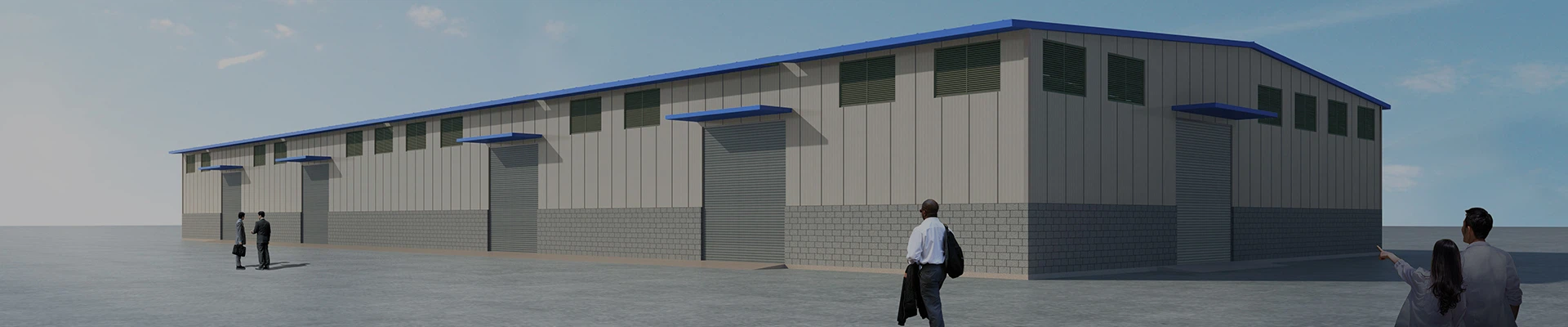


Steel frame construction, as the name suggests, is a structural form where rolled steel sections and steel plates form the primary load-bearing framework of a building. It acts as the building's steel skeleton, supporting vast spaces from industrial plants to skyscrapers through the precise connection of beams, columns, and trusses. Its core advantages lie in its high strength, light self-weight, fast construction speed, and environmental friendliness.
Significant Advantages:
1,High Strength, Light Weight: The strength of steel is much higher than that of concrete, while its density is greater. This means that for carrying the same load, steel frame construction members are lighter and more compact, which can effectively reduce foundation costs and enable long spans and super-tall stories difficult to achieve with concrete structures.
2,Short Construction Period: Components for steel frame construction are primarily mass-produced in factories with standardized quality. After being transported to the site, they are assembled using high-strength bolting or welding, much like "building blocks." This high level of industrialization significantly shortens construction time and accelerates investment returns.
3,Recyclable Material, Green and Eco-friendly: Steel is a typical green building material. After a building is demolished, the steel can be 100% recycled, greatly reducing construction waste and aligning with the principles of sustainable development.
4,Excellent Structural Performance: Steel has good ductility, allowing it to effectively absorb seismic energy, making its seismic performance superior to that of brittle materials. Furthermore, the structure itself occupies less area, effectively increasing the usable space within the building.
Inherent Disadvantages:
1,Poor Fire Resistance: While steel does not burn, it loses strength rapidly at high temperatures (e.g., during a fire). Typically, when temperatures reach 500-600°C, the load-bearing capacity of a steel frame construction can be lost, leading to building collapse. Therefore, all exposed steel members must be protected with fire-resistant coatings or boards, which increases cost and construction time.
2,Weak Corrosion Resistance: Steel is susceptible to rust in humid environments, especially in the presence of corrosive media. This requires regular anti-corrosion maintenance and the application of protective coatings, increasing long-term maintenance costs.
3,Relatively High Cost: Compared to traditional reinforced concrete structures, the material cost of steel is higher, and the requirements for design and construction precision are stricter, which to some extent increases the initial construction cost.
In summary, steel frame construction, with its excellent mechanical properties and efficient construction methods, has become the preferred choice for modern buildings, especially for long-span and super-tall structures. However, its weaknesses in fire resistance and corrosion protection necessitate careful protective measures during design and use to leverage its strengths and avoid its weaknesses, ensuring its safety and durability.
Hot Tags: steel frame construction, China steel frame construction manufacturers, suppliers, factory, Braced Frame Structure


