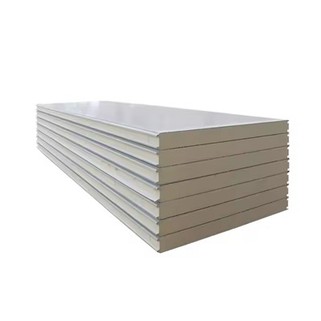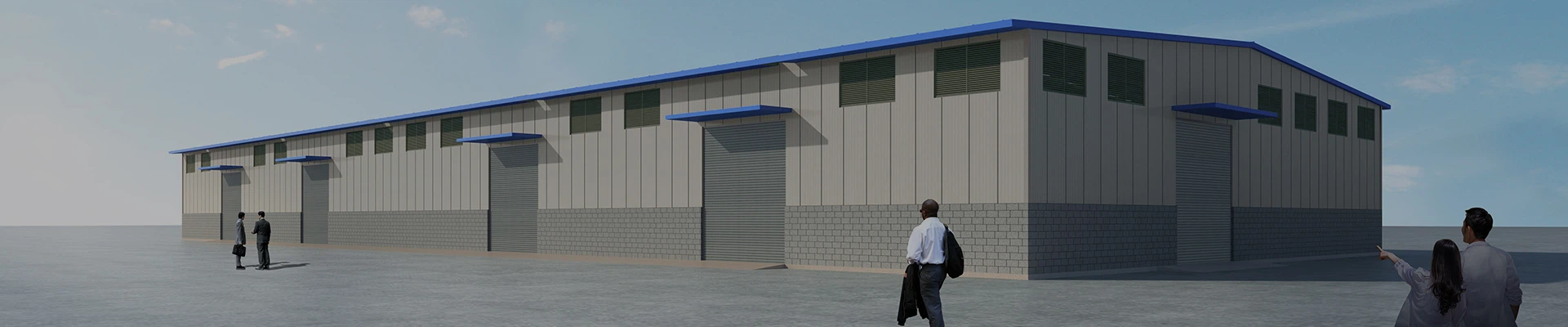


Sandwich panels, as high-efficiency composite enclosure materials, adopt an innovative structure of "double-sided steel plates + core material". Integrating multiple advantages such as thermal insulation, load-bearing capacity and fire resistance, they have become the preferred building materials for industrial buildings, commercial spacesand temporary facilities.

Core characteristics of sandwich panels
Lightweight yet High-Strength: The composite structure of the metal face sheets and core material of sandwich panels makes their weight only 1/3 to 1/5 that of traditional wall materials. Nevertheless, they can fully meet load-bearing and enclosure requirements. With convenient transportation and installation, they significantly improve construction efficiency.
Thermal Insulation: The core materials of sandwich panels (such as polyurethane, polystyrene, and rock wool) possess excellent thermal barrier performance, which can effectively reduce building energy consumption and adapt to different climatic scenarios including severe cold and high temperatures.
Fire and Flame Retardant: The core materials of sandwich panels, such as rock wool and glass wool, are Class A non-combustible materials, while some polyurethane sandwich panels can reach Class B1 flame retardant rating, meeting the fire protection requirements of industrial workshops, clean rooms and other scenarios.
Sound Insulation and Noise Reduction: The porous structure of the core material in sandwich panels can absorb sound waves and reduce noise transmission between indoor and outdoor spaces. These panels are particularly suitable for scenarios requiring sound insulation, such as workshops, equipment rooms, and office areas.
Corrosion and Weather Resistance: The color-coated steel face sheets of sandwich panels undergo special treatment, featuring excellent corrosion resistance and UV resistance. When used outdoors, they are not prone to fading or deformation, with a service life of 10-20 years.
Flexible Customization: Sandwich panels can be customized by adjusting the panel thickness, core material type, face sheet color, and dimensions according to specific requirements. They are suitable for various architectural applications such as exterior walls, roofs, partitions, and suspended ceilings.

Application scenarios of sandwich panels
1.Industrial Construction Field: Sandwich panels are the mainstream enclosure materials for industrial workshops and warehouses. They can be used as roofs and exterior walls, are compatible with light steel structures, and can enhance the appearance through color-coated face sheets. Meanwhile, they are suitable for clean rooms such as electronic chip factories and pharmaceutical workshops-their surfaces are not prone to dust accumulation and easy to clean. Additionally, products with certain fire-resistant core materials can meet the requirements of explosion-proof and fire-proof workshops.
2. Commercial and Public Construction Field: Sandwich panels are suitable for the roofs and exterior walls of large-span buildings such as gymnasiums and exhibition centers-their lightweight yet high-strength characteristics meet the structural requirements of large spaces. For venues including supermarkets, shopping malls, and hospitals, they are used as walls and partitions, integrating thermal insulation, fire resistance, and aesthetic appeal. Moreover, no secondary decoration is needed, which can shorten the construction period.
3. Residential and Temporary Construction Field: Sandwich panels are often used to construct temporary buildings such as prefabricated houses, on-site temporary offices, and sentry boxes, featuring convenient disassembly, assembly, and transportation. They are also suitable for house extensions and attic construction-not only expanding the available space but also solving the thermal insulation and waterproofing problems of the original roof. Additionally, they can be used as wall materials for residential mezzanines to improve space utilization.
4. Cold Chain Logistics Field: The polyurethane core material of sandwich panels boasts excellent thermal insulation performance. They are widely used for the walls, roofs, and floors of cold storage facilities, as well as in the manufacturing of bodies for refrigerated trucks and refrigerated containers. These panels can effectively ensure the quality of goods such as frozen foods and fresh produce during storage and transportation.
5. Transportation and Other Special Fields: Sandwich panels can be applied to internal partitions of ships, noise barriers of highways, industrial sound insulation rooms, etc., playing roles in sound insulation or fire isolation. They can also be used in facilities such as agricultural insulation sheds and greenhouses, as well as some interior and partition components of automobiles and trains. With their lightweight characteristics, they help improve the energy efficiency of transportation vehicles.

Fire resistance rating of sandwich panels
Class A (Non-Combustible Materials): The core materials of sandwich panels are mainly inorganic materials such as rock wool, glass wool, and magnesium oxide. They do not burn or release toxic gases when exposed to fire, with a fire resistance rating of 0.5-2.0 hours. Suitable for scenarios with high fire protection requirements such as workshops, hospitals, and clean rooms, they are currently the type encouraged and promoted by policies.
Class B1 (Flame-Retardant Materials): The core of sandwich panels consists of modified polyurethane and flame-retardant polystyrene (EPS/XPS) core materials. When burning, they feature slow spread speed and low smoke density, and extinguish quickly after being away from fire. Suitable for scenarios such as commercial building partitions and non-load-bearing walls, these panels must meet strict flame-retardant testing standards.
Class B2 (Combustible Materials): The core materials of sandwich panels are mainly ordinary polystyrene and unmodified polyurethane. They possess certain flame-retardant properties but burn relatively quickly. These panels are only suitable for secondary structures in temporary buildings and non-crowded places. Currently, their use in high-rise buildings and industrial workshops has been restricted in some regions.

In summary, from industrial workshops to clean rooms, and from temporary buildings to commercial partitions, sandwich panels, with their diverse core material options and flexible installation advantages, as well as core characteristics including thermal insulation, fire and flame retardancy, and corrosion resistance, have become a composite panel that combines practicality and economy in modern architecture.
Hot Tags: composite sandwich panel, China composite sandwich panel manufacturers, suppliers, factory, exterior panel wall, Glass Wool Sandwich Wall Panels