

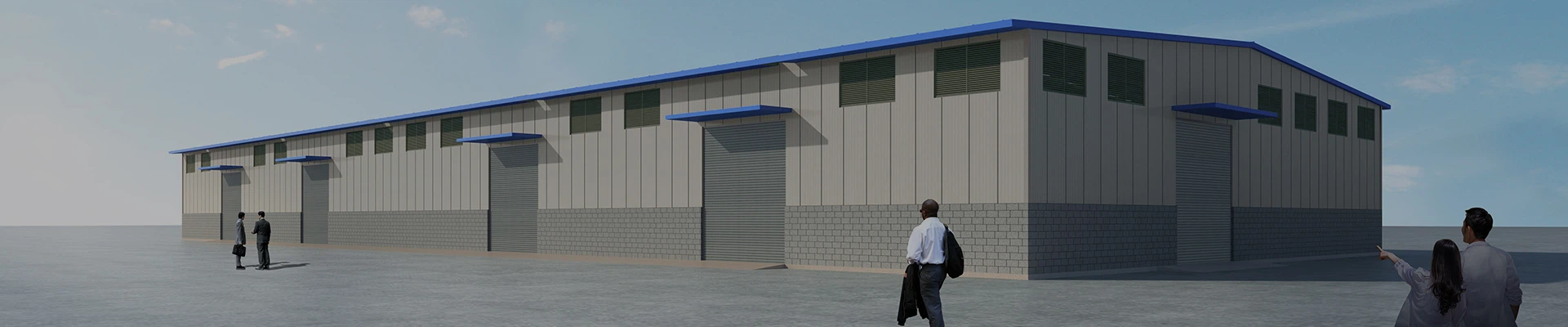


PU panels (polyurethane panels) are a high-performance new material with polyurethane as the core substrate, manufactured through processes such as molding and compounding. Leveraging core advantages including light weight yet high strength, thermal insulation, water resistance, and flame retardancy, they are widely used in various fields such as architectural decoration, industrial equipment, cold chain logistics, and rail transit. Their customizable specifications and dimensions, along with diversified surface treatment processes, can not only meet structural load-bearing requirements but also adapt to the aesthetic and functional needs of different scenarios, making them a preferred material that combines practicality and economy in modern industrial production and engineering construction.

PU Panel Core Parameter Standards
1. Basic Physical Parameters of PU Panel
Density: 38~40 kg/m³ (conventional range)
Thickness: 50~200 mm (sandwich composite panel, including color steel/aluminum foil panels)
Dimensions: Regular width of 1000 mm, customizable length
Compressive strength: ≥0.35 MPa (at 25% compression)
Bonding strength: ≥0.15 MPa (bonding between composite panel face sheet and core material)
2. Functional and Performance Parameters of PU Panel
Thermal insulation: Thermal conductivity λ ≤ 0.024 W/(m·K) (at 25℃ ambient temperature)
Flame retardant rating: ≥ Class B1.
Water resistance: Water absorption rate ≤ 4% (24-hour immersion test)
Operating temperature: -40℃ ~ +120℃ (conventional operating range)
Environmental standard: Formaldehyde emission ≤ 0.124 mg/m³ (complies with GB/T 18587-2017)
3. PU Panel Process and Surface Parameters
Surface treatment: Optional processes include film lamination, spraying, embossing, etc.; surface flatness ≤ 3 mm/m
Combustion performance: Smoke Density Rating (SDR) ≤ 75; Oxygen Index (OI) ≥ 28%
Weather resistance: After UV aging test, strength retention rate ≥ 85% (1000 hours)

How to choose a PU panel that suits oneself
1.Scenario Matching: PU panels first lock in application scenarios (such as building exterior walls/cold chain compartments/equipment protection), and the scenarios determine the priority of core performance;
2.Performance Compliance: Based on the scenarios, PU panels screen key parameters (such as thermal insulation, flame retardancy, and compressive strength) to avoid cost waste caused by excessive pursuit of high specifications;
3.Cost Control: On the premise of meeting performance requirements, PU panels balance specifications, processes, and budgets, prioritizing solutions with optimal cost-effectiveness.

The difference between PU panels and EPS panels
PU Panels: Core Advantages of "Dual Excellence in Thermal Insulation and Load-Bearing"Applicable to: Sandwich panels for industrial workshops, thermal insulation walls for cold storage, thermal insulation for exterior walls of high-end buildings, and sound insulation/noise reduction equipment.
EPS Panels: Core Advantages of "Low Cost + Lightweight"Applicable to: Thermal insulation for exterior walls/roofs of civil buildings, cushioning for household appliance packaging, and temporary enclosure structures.

Overall, leveraging "balanced comprehensive performance + precise scenario adaptation," PU panels have become the preferred material in industrial manufacturing and high-end construction fields for scenarios with strict requirements on thermal insulation, s trength, and durability.
Hot Tags: Pu Sandwich Panels Building, China Pu Sandwich Panels Building manufacturers, suppliers, factory, Glass Wool Sandwich Wall Panels, exterior panel wall


