

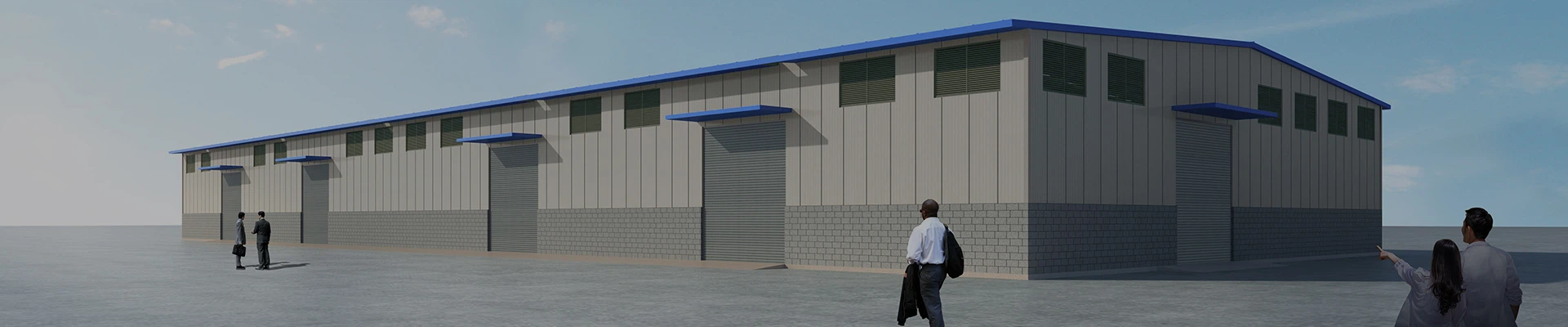


Rockwool Sandwich Panel is a new type of composite building material, consisting of two outer metal panels (usually color-coated steel plates or galvanized steel plates) and a middle core material-rockwool, combined through professional adhesives or mechanical interlocking technology. Its core structure follows a "panel + core + panel" sandwich design: the outer panels bear loads and provide protection, while the rockwool core offers key functions such as thermal insulation and fire resistance. With the advantages of light weight and high strength, it is an efficiently integrated enclosure material in modern architecture.

The core advantages of rockwool sandwich panels lie in three key aspects: safety, energy efficiency, and durability. Its fire resistance is particularly prominent-rockwool itself is a non-combustible material with a fire rating of Class A, which can effectively prevent the spread of flames and does not release toxic gases at high temperatures, providing reliable fire safety protection for buildings. It also exhibits excellent thermal insulation performance: the fibrous structure of rockwool can effectively block heat transfer, reduce building energy consumption, and is suitable for cold regions or projects with strict energy control requirements. In addition, it has good sound insulation and noise reduction effects, capable of absorbing sound wave energy to improve the indoor acoustic environment. Meanwhile, the metal outer panels are corrosion-resistant, have strong wind load resistance, long service life, and low maintenance costs.

With its diverse performance advantages, rockwool sandwich panels are widely used in various fields of industrial and civil buildings. In industrial construction, they are often used for wall and roof enclosure of factories, warehouses, and workshops, adapting to special needs such as high temperature resistance and fire protection in industrial production. In the field of public buildings, they are also extensively adopted in hospitals, schools, shopping malls, convention and exhibition centers, etc., as they not only meet fire safety standards but also improve comfort through thermal insulation and soundproofing. In addition, they are ideal materials for temporary buildings, prefabricated houses, and container houses due to their convenient construction and quick assembly. Meanwhile, in scenarios with special environmental requirements such as clean workshops and cold storage, they are highly favored for their good sealing performance and resistance to bacterial growth.
The installation of rockwool sandwich panels must follow standardized procedures to ensure performance. Before installation, check the quality of the panels to ensure no damage to the outer panels and that the core material is dry and free from mold. During installation, ensure tight splicing of panels to avoid gaps that may reduce thermal insulation and fire resistance performance. Meanwhile, use special fasteners to fix the panels firmly to the main building structure, enabling them to resist wind and rain loads. For post-maintenance, regularly inspect whether the panel coating is peeling off and whether the sealant is aging, and promptly repair damaged parts to prevent rainwater from seeping into the core material and affecting performance. In addition, avoid impact on the panels with sharp objects to prevent exposure of the core material and extend the service life.
Hot Tags: rockwool sandwich panel fire resistance, China rockwool sandwich panel fire resistance manufacturers, suppliers, factory, exterior panel wall, Glass Wool Sandwich Wall Panels


